

For video production in Austin, Texas, hire a local crew when the project depends on filming real people, places, or events. Go remote when you have usable footage or a finished track that calls for visuals you can create without a shoot. Compare the full quote, approval dates, and final files before booking.
- Identify the shot you can’t substitute. If the video needs a specific performance, product demo, or event that hasn’t been filmed, budget for local capture.
- Bring the editor in before a hybrid shoot. Have them specify framing and file delivery so the footage works in the main edit and the vertical version.
- Compare quotes through final delivery. Ask for approval dates, included revisions, and a written list of the masters and social versions you’ll receive.
What to compare for video production in Austin, Texas
Start with the brief, not the reel. Write down what must be filmed, what can be created in post-production, and what date the final files are due. If the release needs a vertical version with its own framing, put that in the brief alongside the main master, the finished file you’ll publish.
Then compare bids on total cost, approval time, and who owns each handoff. A local quote that ends at filming and a remote quote that starts with organized footage can leave the same work unpriced. Our guide to choosing a video production company digs into how to vet a reel and a proposal. For a local-versus-remote decision, ask each bidder to show work that matches the hardest shot or sequence in your brief.
Score local, remote, and hybrid against your brief
Say you’re releasing a finished single. You need a new performance close-up of the singer in an East Austin rehearsal room, but the rest of the video takes place in an imagined world. The release date is fixed, and you need a full-song master plus a vertical version.
Use Strong, Conditional, or Poor to score fit. Conditional means the bid needs to answer a specific question. A Poor on a must-have rules out the workflow, even if it looks cheaper.
| Criterion | Local crew and edit | Remote production without a shoot | Local shoot with remote post | Your option |
|---|---|---|---|---|
| New performance footage, required | Strong: Crew captures the take | Poor: No existing footage to work from | Strong: Local crew captures the take | |
| Imagined scenes | Conditional: Check the team’s effects or animation reel | Strong: Brief a team that builds stylized visuals | Strong: Remote team builds scenes around the performance | |
| Release schedule | Conditional: Confirm crew availability and edit dates | Strong for starting now: Work can begin from the track | Conditional: Book the shoot and set a footage handoff deadline | |
| Cost through final delivery | Conditional: Get one quote covering crew and post | Conditional: Confirm revisions and exports in scope | Conditional: Price both teams and assign responsibility for footage prep | |
| Full-song master and vertical version | Conditional: Confirm both are in the bid | Conditional: Confirm both are in the bid | Conditional: Name one person responsible for both exports |
For that single, we’d carry forward hybrid and any local bid with a convincing effects reel. Remote-only drops out because the real performance is required. If the room and performance are optional, remote-only becomes a viable bid without a shoot day to schedule.
When to hire locally, go remote, or split the work
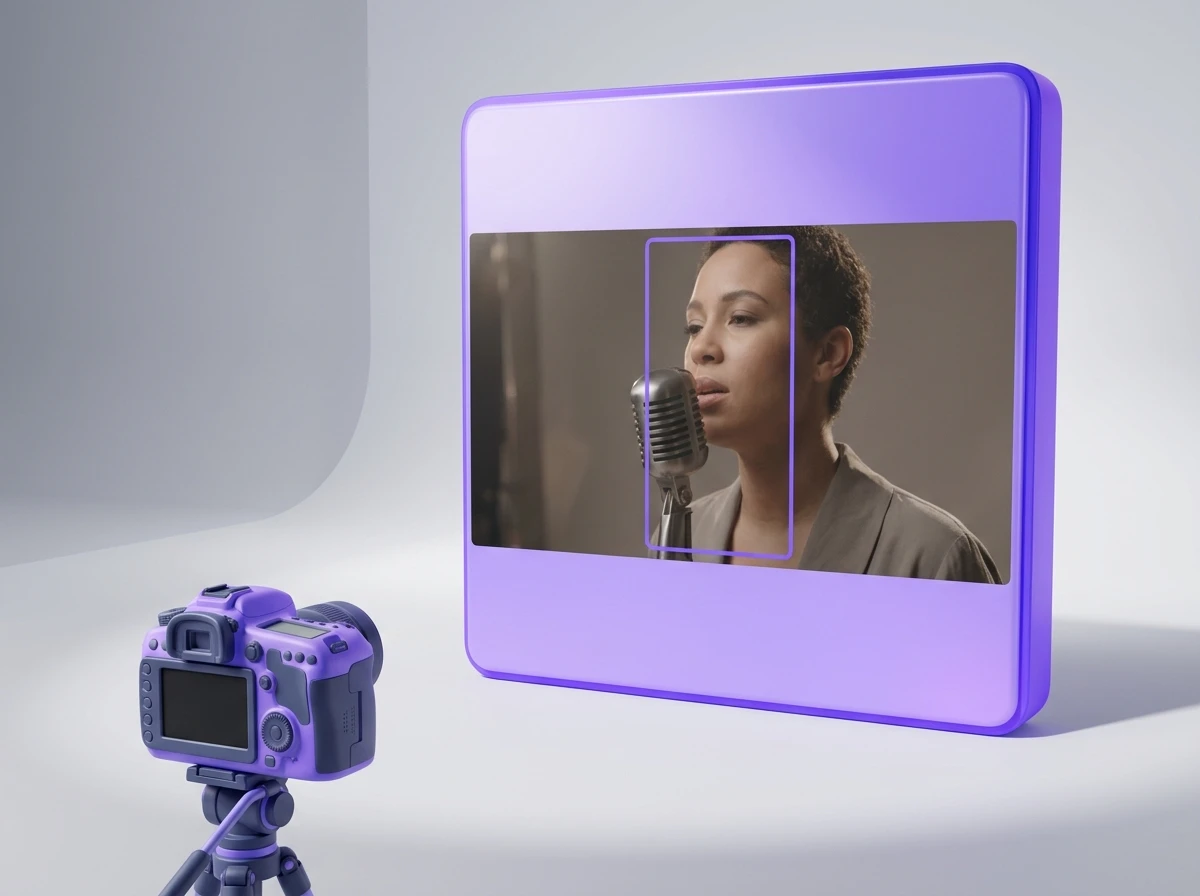
Choose local when the camera has to be there. That covers an interview at your Austin office, a commercial that needs a real product demonstration, or a live set you can’t repeat. For a downtown exterior, ask who will confirm location access and what the crew will do if street noise makes the dialogue unusable.
Choose remote when the team can make the video from what you already have. That could be a training video built from screen recordings, a product edit made from approved footage, or a music video built around a finished song. For a full-song release, ask how the director will carry a visual idea from verse to chorus and bring it back with a change. A reel of striking shots tells you little about pacing across an entire track.
Choose hybrid when only part of the video needs an Austin crew. Have the remote editor review the shot list before filming, especially if the performance has to blend into stylized scenes. The workflow in music videography from treatment to final master gives you a way to connect those decisions. For the rehearsal-room close-up, that means sending the crew a framing reference and asking the singer to perform to the exact track file the editor will use.
Compare quotes through final delivery
Give each bidder the same brief and ask for the date you’ll receive publishable files, not just the shoot date or first cut. A local bid should say who covers location costs, crew overtime, and a rescheduled shoot. A remote bid should say when the schedule starts, how many revision rounds are included, and what happens if you change the creative direction after approval.
For a finished single that needs no shoot, our AI-assisted music video package for artists is $3,500 flat for a full-song master and a social-ratio adaptation, directed by one creative lead and delivered in about 5–7 business days after intake and creative direction are locked.
Specify the shape and length of each export. YouTube’s video aspect-ratio guide identifies 16:9 as its standard desktop ratio, but a vertical adaptation may need a different crop or a different shot. A singer framed at the edge of a wide shot can disappear in a center crop. Ask to approve a vertical sample before the main edit is locked.
Put ownership and usage in writing, too. The U.S. Copyright Office’s guide to works made for hire explains when commissioned work qualifies, so don’t assume paying the invoice settles copyright ownership. Ask which finished files you’ll receive, whether raw footage or project files are included, and what rights you have to use licensed assets in release promotion or paid ads.
Frequently Asked Questions
What is the difference between videography and video production?
Videography usually describes filming. Video production can cover the full job, from planning through delivery. Vendors use the terms differently, so check whether the bid includes a shot plan, editing, sound, and final exports or only camera coverage.
Can a remote editor use footage shot on a phone?
Yes, if the original files hold up for the intended edit. Send a representative clip before booking so the editor can check sharpness, lighting, and sound. Share the original file rather than a copy compressed by a messaging app.
Do I need to attend an Austin video shoot in person?
No, if someone on set has the brief and authority to approve takes. For a shot you can’t easily repeat, name that person in advance or ask the crew to quote a live monitor feed so you can review framing before they move on.
If the East Austin performance is the shot the video can’t lose, book the crew that can capture it. If the single can live entirely in an imagined world, get in touch with SongTrailer about your release. Bring the finished track, the release date, and one visual reference that captures the mood.