For full-song releases, compare music video production companies on complete-song pacing, total cost, delivery dates, and rights to the finished files. A full-length master and a social adaptation are separate deliverables. This guide compares production models and shows what to verify before committing your finished track and release date.
- Ask to watch a complete video. A reel cannot show whether the visual idea holds through the bridge and final chorus.
- Compare written project totals with matching deliverables. Check revision limits and the cost of changing an approved direction.
- Choose a filmed production when the artist’s physical performance is essential. Consider animation or human-directed, AI-assisted production when the visual world carries the song.
- Confirm the delivery date, social formats, and rights to the finished files before paying a deposit.
How to compare music video production companies
The strongest production partner can explain how its approach serves your entire song and fits your release constraints. Start with evidence of full-length work, then check the commercial terms.
Watch complete videos before judging a showreel. Look at what happens when the arrangement changes. Does the video develop during the second verse? Can it hold a quiet passage without recycling unrelated shots? Does the ending feel intentional?
A cinematic opening proves little about the rest of the edit. For AI-assisted work, check whether the central character remains recognisable across scenes. Watch clothing details and movement, especially when the camera changes angle.
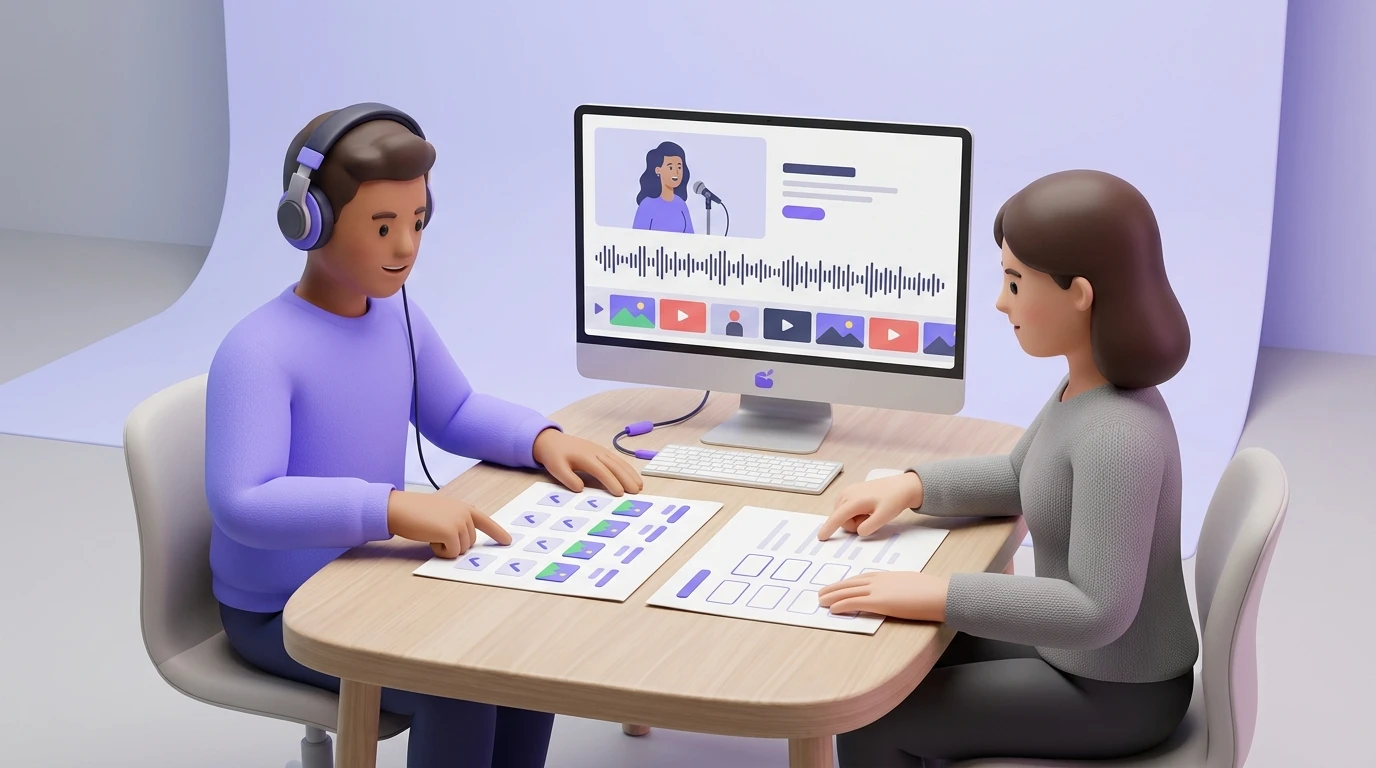
Next, establish what you are buying. “Music video production service” might mean a director-led production with a finished master, or it might mean filming only, with editing quoted separately. Ask who owns the creative direction and who resolves feedback through the final export.
Our guide to directing a great music video explains the creative decisions behind a coherent concept; use that understanding to assess whether a proposed approach actually serves your track.
Before requesting a quote, settle your priorities: whether the artist must appear on camera, your spending ceiling, the required delivery date, and the formats you need. Those criteria make the available production models easier to judge.
Which production model fits your release?
A production model determines how the images are made and what can disrupt delivery. Choose it around the song’s needs rather than the size of the company.
The table uses qualitative fit ratings. Strong means the model naturally supports that requirement. Conditional means it depends on additional planning, assets, or filming. These are model comparisons, not guarantees about an individual supplier.
| Production model | Filmed artist performance | Controlled visual continuity | Main cost and schedule dependencies |
|---|---|---|---|
| Full-service live-action company | Strong | Strong with planned casting and art direction | Crew availability, locations, shoot scope, and post-production |
| Small-crew production team | Strong | Conditional across complex scenes or locations | Artist preparation, limited crew capacity, and the number of setups |
| Animation or motion-design studio | Conditional if filmed performance is also required | Strong with approved characters and design rules | Asset creation, animation complexity, and changes after approval |
| Human-directed, AI-assisted production | Conditional if filmed performance is required | Conditional on generation control and human review | Direction lock, difficult visual requirements, and refinement scope |
Choose a full-service shoot if physical performance drives the concept. A band playing together, choreography, or a specific real location can justify the extra production work. Skip an elaborate shoot if arranging it would consume the budget you need for a strong edit.
Choose a small crew when a contained performance can carry the song. A controlled location and a prepared artist can suit this model well. Ask who handles production logistics so those tasks do not quietly fall back on you.
Choose animation when a designed world or graphic language is central to the release. Skip it if you expect substantial character or style changes late in production; those changes can affect much more than the final edit.
Choose human-directed, AI-assisted production when you want a cinematic visual world without organising a conventional shoot. Skip a generated-only approach if exact physical performance is non-negotiable. A recognisable likeness and accurate lip-sync require specific evaluation.
Our video production services comparison for music artists distinguishes full videos from shorter visual assets, which helps prevent a teaser package from being mistaken for a complete release video.
What should the full-song budget include?
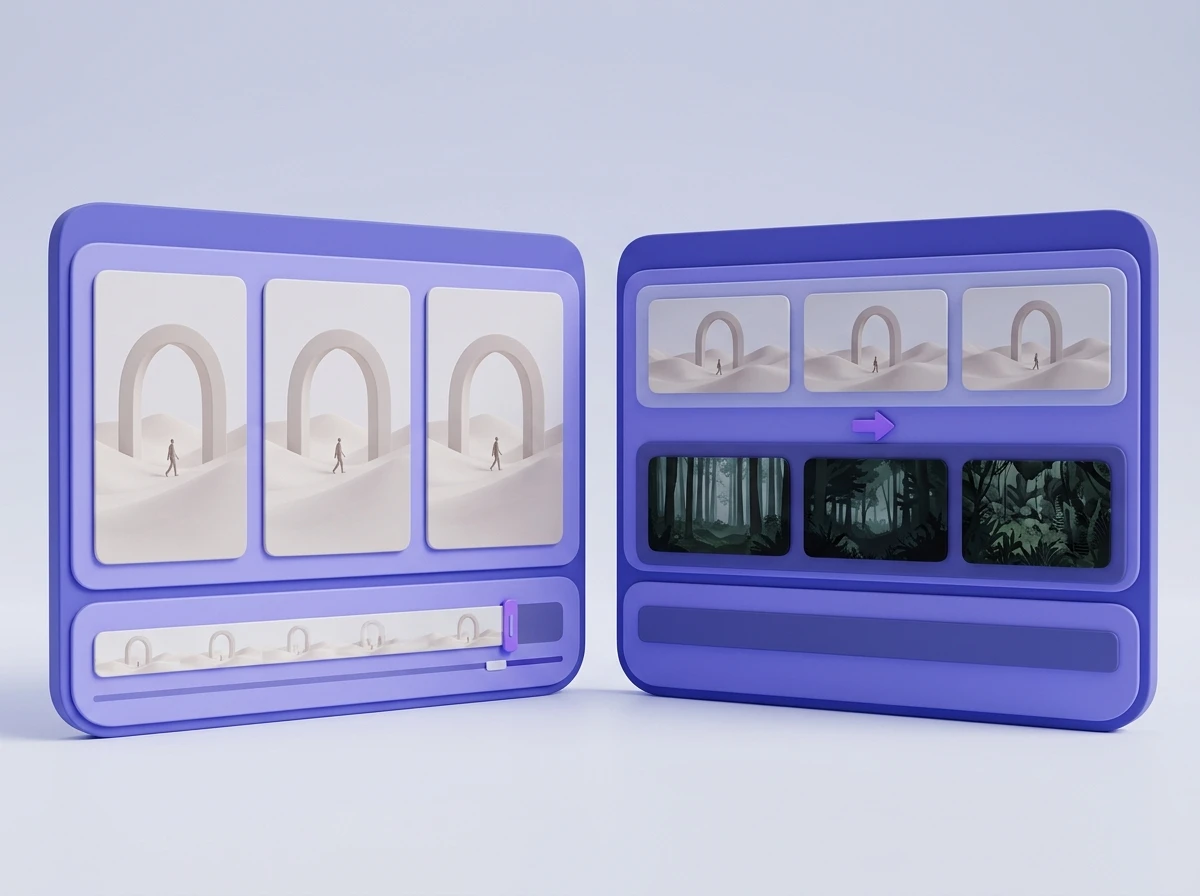
A useful quote identifies the finished result and the boundaries around changes. A headline price alone cannot tell you whether the project fits your budget.
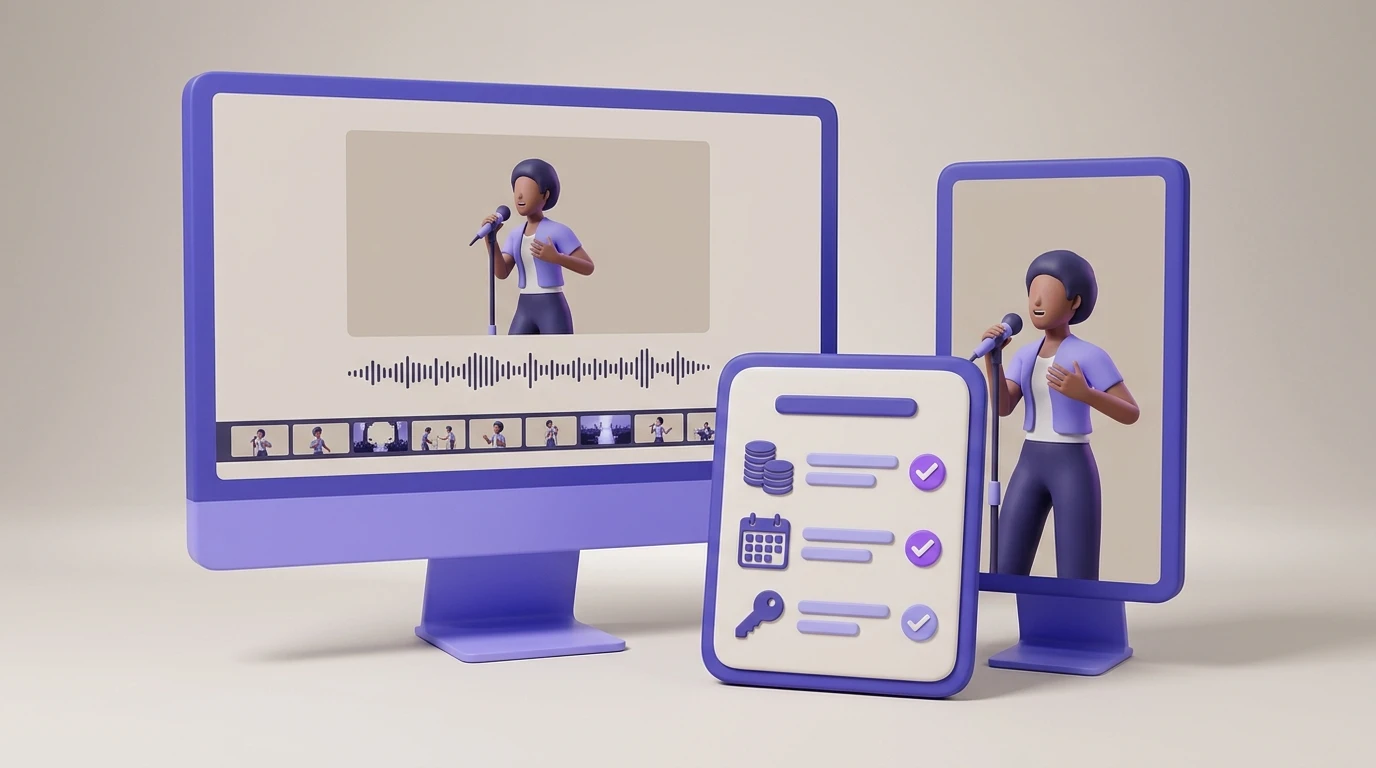
Ask whether the total covers the entire track, the primary master, and the required social adaptation. Then check how many refinement rounds are included, what each round allows, and what happens if you change the concept after approval.
Separate refinement from redirection. Adjusting a shot’s duration is an edit change. Replacing the visual world after approving it can require new production. A clear quote explains how both are handled.
At SongTrailer, our $3,500 flat package includes a full-song master and a social-ratio adaptation, with one creative director owning concept, pacing, and delivery. Our AI music video production for artists combines human direction with AI-assisted visuals and a human edit.
That model suits artists with a finished track who want a defined production package. Artists needing a conventional performance shoot should confirm how that requirement would be handled before choosing it.
For any supplier, ask about exclusions such as location fees, licensed footage, or additional formats. Confirm whether the quote covers rendered video files only or also includes editable project files.
Rights deserve the same precision as price. The U.S. Copyright Office’s work on AI and copyright makes human authorship central to copyright protection, so delivery of an AI-assisted video should not be treated as a blanket promise that every generated element is exclusively copyrightable.
Can the schedule support your release date?
A credible turnaround has a defined starting point. Ask what must be supplied and approved before the production clock begins.
For SongTrailer, the stated turnaround is about 5-7 business days after intake and direction lock. That timing depends on the project reaching those milestones; an initial inquiry does not start the same clock.
Supply the finished audio master rather than a mix that may still change. A revised arrangement can move every visual cue, while a longer outro can create a gap in a completed edit. Name a single person who can consolidate feedback and approve the direction.
Use the same brief when approaching each shortlisted company:
We have a finished track and need a video covering the complete song. Our release date is [date], and our maximum production budget is [amount]. The artist [must / does not need to] appear on camera. We need a primary master plus [social formats]. Please confirm the delivery date, feedback process, exclusions, and rights to the delivered files.
If you search for “music video production near me,” local availability matters most when the work requires a physical shoot. Ask about travel charges and location responsibilities. For a production built around supplied assets or generated visuals, approval speed and clear communication may matter more than proximity.
Leave room between delivery and publication for checking the files. Do not make your release plan depend on receiving an unchecked master immediately before upload.
What must arrive with the final master?
A release-ready handover includes the approved full-song video and the agreed adaptations, with technical specifications recorded in the scope. “Platform-ready” should describe actual files.
For each output, confirm its orientation, resolution, frame rate, codec, and audio requirements. YouTube’s recommended upload encoding settings provide a concrete reference for a YouTube master; other destinations may need different exports.
Ask how the social version will be reframed. A portrait adaptation may need different shot choices or repositioned subjects. A centre crop can cut off a face or remove the detail that makes a scene work.
Review the final export against the approved audio. Check the opening, transitions around major song changes, and the ending. Also look for spelling errors in titles and visual defects that become obvious at full viewing size.
Clear the music rights before publication. The U.S. Copyright Office distinguishes the musical composition from the sound recording, so permission relating to one does not automatically establish permission for the other.
For realistic synthetic imagery, review YouTube’s altered or synthetic content disclosure requirements. Disclosure depends on the content and how it is presented, rather than simply whether AI appeared somewhere in the workflow.
Our overview of music videography from treatment to final master explains the production handoffs; use those stages to confirm who approves the work before delivery.
Frequently Asked Questions
What companies produce music videos? Specialist music video companies, broader production agencies, animation studios, and director-led teams all produce music videos. Record labels often commission the work, while a production partner handles its execution.
How much does it cost to get a music video made? The cost depends on the concept, production method, and agreed deliverables. Request a fixed-scope project total and check what can trigger extra charges, especially additional filming or changes after creative approval.
Who usually directs music videos? A music video director shapes the visual interpretation of the song and guides its execution. Confirm who holds that responsibility on your project and whether the same person stays involved through the edit.
What is the best music video maker for a full-song release? A DIY tool can suit an artist who has the time and skill to direct the visuals and edit the complete track. A managed production service is a better fit when you need someone accountable for creative continuity and final delivery.
Bring a finished track and a clear release brief to the conversation. If a human-directed, AI-assisted full-song video fits your release, contact SongTrailer about your music video. State your deadline and required formats so the production can be assessed against what you actually need.